 🐝
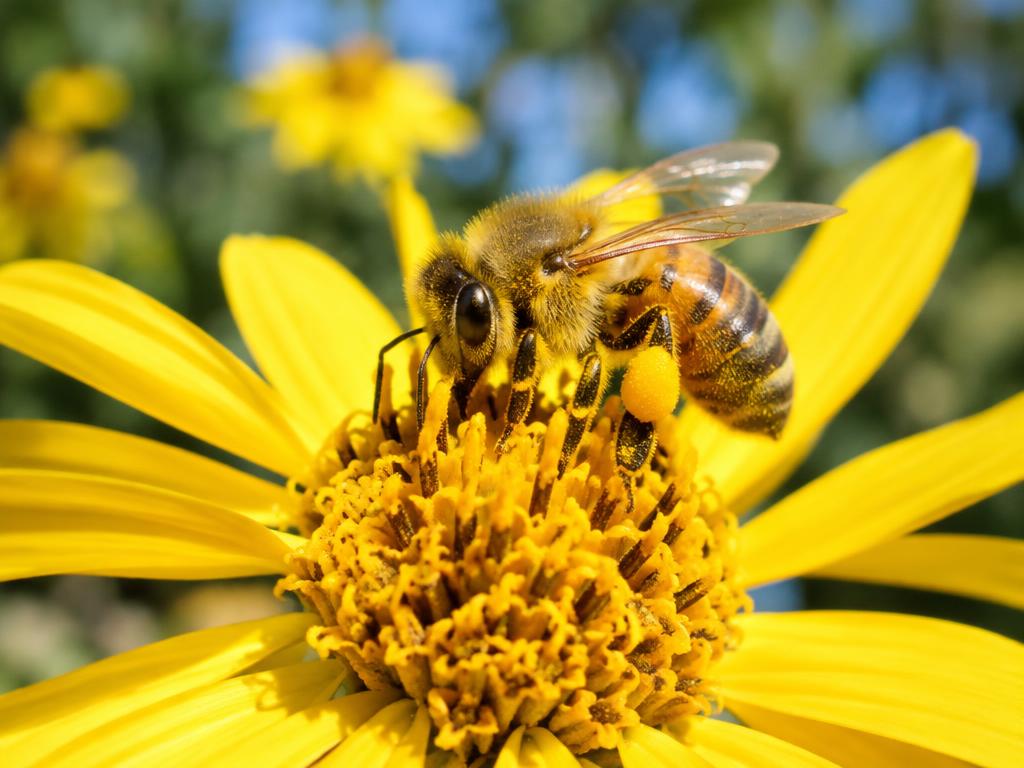
A honeybee visiting a bright flower
🐝 Honeybee
Tiny dancers who talk with their whole bodies
Honeybees live in large colonies and communicate through an amazing 'waggle dance' that tells other bees exactly where to find flowers. A single hive works together to raise young, store honey, and keep the colony at just the right temperature. Bees can also learn and remember flower patterns and colors, and they recognize their own hive mates by scent.
Animal fact file
Typical lifespan
1–5 years
Years of life with suitable care, not ages at slaughter. These are approximate ranges: breed, health and care matter, and some individuals live longer.
- Food and digestion
- Honeybees are herbivores: they eat nectar and pollen from flowers, turning nectar into honey to store as food for the hive.
- Home and habitat
- Honeybees live in hives in meadows, orchards, gardens and wild areas worldwide, working together in large colonies with a queen, workers and drones.
- Growing up
- A baby bee starts as an egg, then becomes a larva fed by worker bees, then a pupa before emerging as an adult. Worker bees typically live weeks to months; a queen can live several years.
These are learning facts, not feeding instructions. Ask a veterinarian about an individual animal’s needs. Never feed or approach an unfamiliar animal without its caregiver’s permission.
💡 Did you know?
- Communicate flower locations with a 'waggle dance'
- A colony can include tens of thousands of bees working together
- Visit many flowers each day, helping pollinate plants we rely on for food
💛 What this means
In large-scale honey and pollination operations, hives can be trucked long distances, crowded together, and have most of their honey replaced with sugar syrup. Queens may have their wings clipped so they can't leave, and whole colonies are sometimes destroyed at the end of a season.
Swap honey for maple syrup, agave, or date syrup in recipes and tea — just as sweet, and it lets bees keep the food they made for their hive. 🍯🌻
Meet more friends 🌼


Honeybee facts for kids
A gentle, accurate guide to honeybees for families, teachers and curious kids — with facts, factory-farm context, and kind plant-based choices.
Common questions from parents
- Does taking honey hurt the bees?
- Beekeeping methods vary a lot. Careful, small-scale beekeeping can leave bees enough honey to survive winter, while large commercial operations sometimes take most of the honey and feed bees sugar syrup instead, which is less nutritious for them.
- Are honeybees smart?
- Communicate flower locations with a 'waggle dance'
- What do honeybees eat?
- Honeybees are herbivores: they eat nectar and pollen from flowers, turning nectar into honey to store as food for the hive.
- How can kids help honeybees?
- Swap honey for maple syrup, agave, or date syrup in recipes and tea — just as sweet, and it lets bees keep the food they made for their hive. 🍯🌻