Talking to Kids About Veganism
Sharing your values with children is a journey of compassion. Focus on kindness and environmental care without using fear-based tactics or shaming others for their different food choices.
A practical, calm overview of the nutrients families plan for on a vegan or mostly plant-based diet: B12, calcium, iron, vitamin D, iodine and omega-3. Use it to prepare questions for your child’s doctor or dietitian.
A simple guide for most meals: about half vegetables and fruit, about a quarter whole grains or starchy foods such as oats, rice, pasta or potatoes, and about a quarter protein foods such as beans, lentils, tofu, tempeh or soya. Add a little fat from nut or seed butters, avocado or plant oils. Treat this as a starting shape, not a strict rule: children’s appetites change from day to day.
Vitamin B12 is essential and plants do not provide it reliably, so vegan children need fortified foods or a supplement. Calcium can come from fortified plant drinks and yoghurts, calcium-set tofu and some green vegetables. Iron is found in beans, lentils and fortified cereals, and fruit or vegetables rich in vitamin C help the body absorb it. Iodine, vitamin D and omega-3 fats also need attention; many health services advise vitamin D supplements for young children, so check your local guidance.
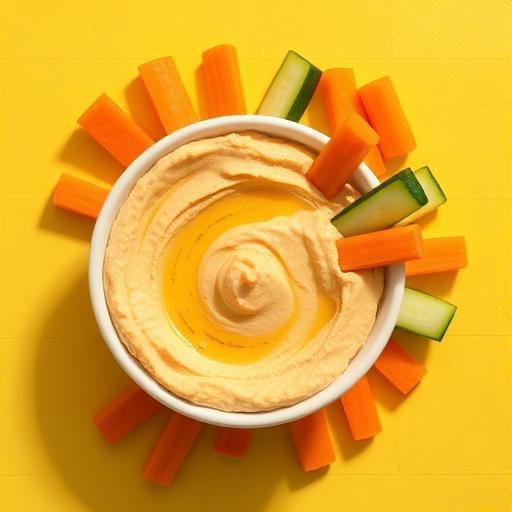
Young children have small stomachs, and very high-fibre meals can fill them up before they have eaten enough energy. Include energy-dense foods such as smooth nut or seed butters, hummus, avocado and fortified soya yoghurt. Whole nuts are a choking risk for children under five, so grind them or use smooth butters. The NHS advises that children under five should not have rice drinks, because of their arsenic levels.
Talk to a doctor, health visitor or paediatric dietitian before big changes to a baby’s or toddler’s diet, if your child has allergies or a medical condition, or if you are worried about growth, energy or very picky eating. Babies under 12 months need breast milk or a suitable infant formula as their main drink. This guide gives general information only and cannot assess an individual child’s needs.
Health bodies such as the British Dietetic Association say well-planned plant-based diets can support healthy living at every age and life stage. The key word is planned: B12, calcium, iron, iodine, vitamin D and omega-3 need attention, and every child is different, so involve your doctor or a paediatric dietitian.
From age one, unsweetened, calcium-fortified drinks such as soya, oat or almond can be part of a balanced diet. Soya drinks usually contain more protein than oat or almond drinks. Rice drinks are not suitable for children under five. Ask your health visitor or doctor if your child has allergies.
Offer new foods next to familiar ones, many times and without pressure; it can take lots of tries before a child accepts a food. Let children wash, stir and serve, and keep portions small. If picky eating affects growth or energy, ask a professional for support.
Sharing your values with children is a journey of compassion. Focus on kindness and environmental care without using fear-based tactics or shaming others for their different food choices.
Hosting a vegan birthday party is an opportunity to show how delicious and inclusive plant-based celebrations can be. With careful planning, every guest will feel welcomed and satisfied.
Packing a vegan school lunch requires a balance of safety, nutrition, and school policy compliance. These tips help ensure your child's meal stays fresh and delicious until the bell rings.
A practical, calm overview of the nutrients families plan for on a vegan or mostly plant-based diet: B12, calcium, iron, vitamin D, iodine and omega-3. Use it to prepare questions for your child’s doctor or dietitian.